Ledger Live Desktop: A Practical Guide to Secure Crypto Management
Managing digital assets from a computer can be easier when your wallet software provides a clear interface for viewing accounts, reviewing activity, and interacting with a compatible hardware wallet. Ledger Live Desktop is designed as a desktop application for users who want to manage supported cryptocurrency accounts alongside a Ledger hardware wallet.
What Is Ledger Live Desktop?
Ledger Live Desktop is computer-based software used with compatible Ledger hardware wallets. It provides an interface where users can access supported accounts and review cryptocurrency-related information.
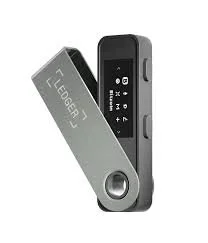
A hardware wallet is designed to keep private keys protected within the device. Desktop software works as the management interface, while important security-sensitive actions can require confirmation on the physical hardware wallet.
This combination can help users separate everyday account management from the protection of private wallet credentials.
Why Use Ledger Live Desktop?
A desktop wallet application can make cryptocurrency management more organized. Instead of relying on multiple unfamiliar websites, users can access supported wallet functions through dedicated software.
With Ledger Live Desktop, users can review account balances, monitor transaction history, manage supported accounts, and prepare cryptocurrency transactions. Available functions can vary depending on the Ledger device, cryptocurrency, operating system, and current software version.
The application can therefore serve as a central workspace for compatible Ledger users.
Getting Started With Ledger Live Desktop
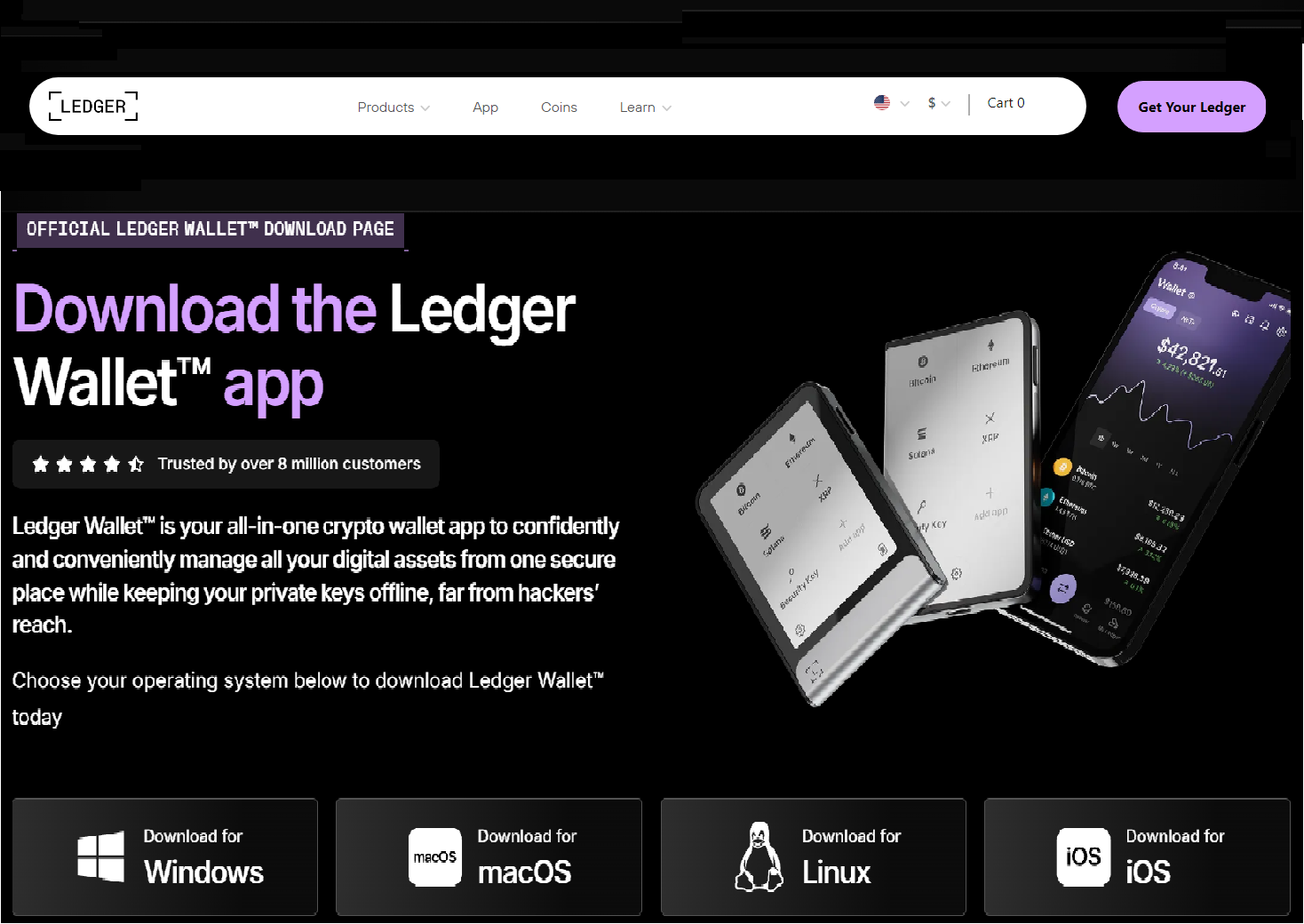
Before installing any cryptocurrency management software, verify that you are using an official Ledger source. Search results, advertisements, social media messages, and third-party websites can sometimes lead users toward misleading downloads.
Download Ledger Live Desktop only from the official Ledger website. Check the website address carefully before downloading or entering sensitive information.
Once the application is installed, follow the setup instructions for your Ledger hardware wallet and operating system.
Connect Your Ledger Hardware Wallet
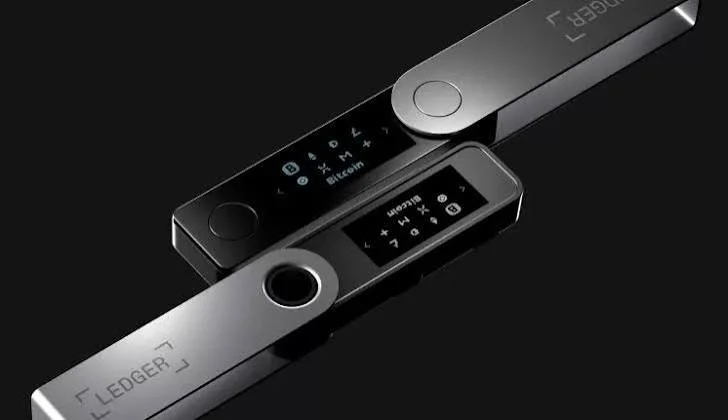
After installing the desktop application, connect your compatible Ledger device using the appropriate connection method.
The software can guide you through recognizing the hardware wallet and completing required setup steps. Depending on the device, you may also need to update firmware or complete additional security checks.
Read each instruction carefully rather than rushing through the setup process.
Manage Cryptocurrency Accounts
After connecting a compatible device, users can work with supported cryptocurrency accounts through the desktop interface. Account information may include balances, transaction history, and other relevant details.
You can use the application to organize supported accounts and monitor activity from your computer.
Remember that cryptocurrency support and available features can change over time. Always check the current official Ledger documentation when a particular asset or function is important to you.
Review Transactions Carefully
Cryptocurrency transactions require attention because blockchain transfers may be difficult or impossible to reverse after confirmation.
When preparing a transaction, carefully review the destination address, amount, network, and applicable fee. If your Ledger hardware wallet displays transaction details for confirmation, compare those details with your intended transaction before approving it.
Never approve an unfamiliar transaction simply because the desktop application requests confirmation.
Protect Your Recovery Information
Your recovery phrase is one of the most important pieces of information associated with a self-custody wallet. Keep it private and store it securely according to the official wallet instructions.
Never type your recovery phrase into random websites, online forms, messages, or unverified applications.
Legitimate support should not require you to disclose your recovery phrase. Anyone asking for it should be treated with extreme caution.
Keep Software Updated
Using current official software can help maintain compatibility with supported Ledger devices and features. When an update is available, obtain it through an official Ledger source.
Avoid modified applications, unofficial installers, and unknown browser extensions that claim to improve Ledger Live Desktop.
Before installing an update, verify that the software comes from the legitimate source.
Avoid Common Crypto Scams
Cryptocurrency users can encounter fake support accounts, phishing pages, fraudulent applications, and messages designed to obtain sensitive wallet information.
Be particularly cautious when someone claims that your wallet needs urgent verification, synchronization, activation, or recovery.
Do not share your PIN or recovery phrase. Instead, close suspicious pages and navigate directly to official Ledger resources when you need assistance.
Conclusion
Ledger Live Desktop provides a dedicated computer-based environment for managing supported cryptocurrency accounts with compatible Ledger hardware wallets. It can help users view account information, review activity, organize supported assets, and prepare transactions while using the physical device for security-sensitive confirmations.
For a safer experience, download the software from an official Ledger source, protect your recovery information, keep your device and software current, and carefully verify transaction details before approving them. A careful setup and consistent security habits can make everyday cryptocurrency management more organized and easier to understand.