Ledger.com/start: Complete Guide for a Secure Ledger Wallet Setup
A hardware wallet can provide a dedicated environment for managing cryptocurrency, but the initial configuration should be completed carefully. Ledger.com/start is the official starting point for users who want to prepare a Ledger hardware wallet and connect it with Ledger’s software ecosystem. From installing the required application to creating a wallet and protecting recovery information, the setup process introduces the essential steps for getting started.
Understanding Ledger.com/start
Ledger.com/start serves as a starting resource for Ledger hardware-wallet setup. It helps users locate official instructions and software rather than depending on random third-party guides.
The steps involved can vary according to the Ledger model and current software. Users may be guided through device connection, firmware installation, wallet creation or restoration, PIN configuration, and other initial security checks.
Always confirm that you are visiting the legitimate Ledger website. Fake wallet pages can be designed to look authentic and may attempt to collect sensitive information.
Prepare Your Device First
Before beginning, gather your Ledger hardware wallet, a compatible computer or supported mobile device, and the required connection cable.
Find a private and comfortable location for the setup. Avoid using shared computers or allowing an unknown person to remotely control your screen.
It is also helpful to prepare a secure location for your recovery phrase. This information should be protected from both unauthorized access and accidental loss.
Start With Official Ledger Software
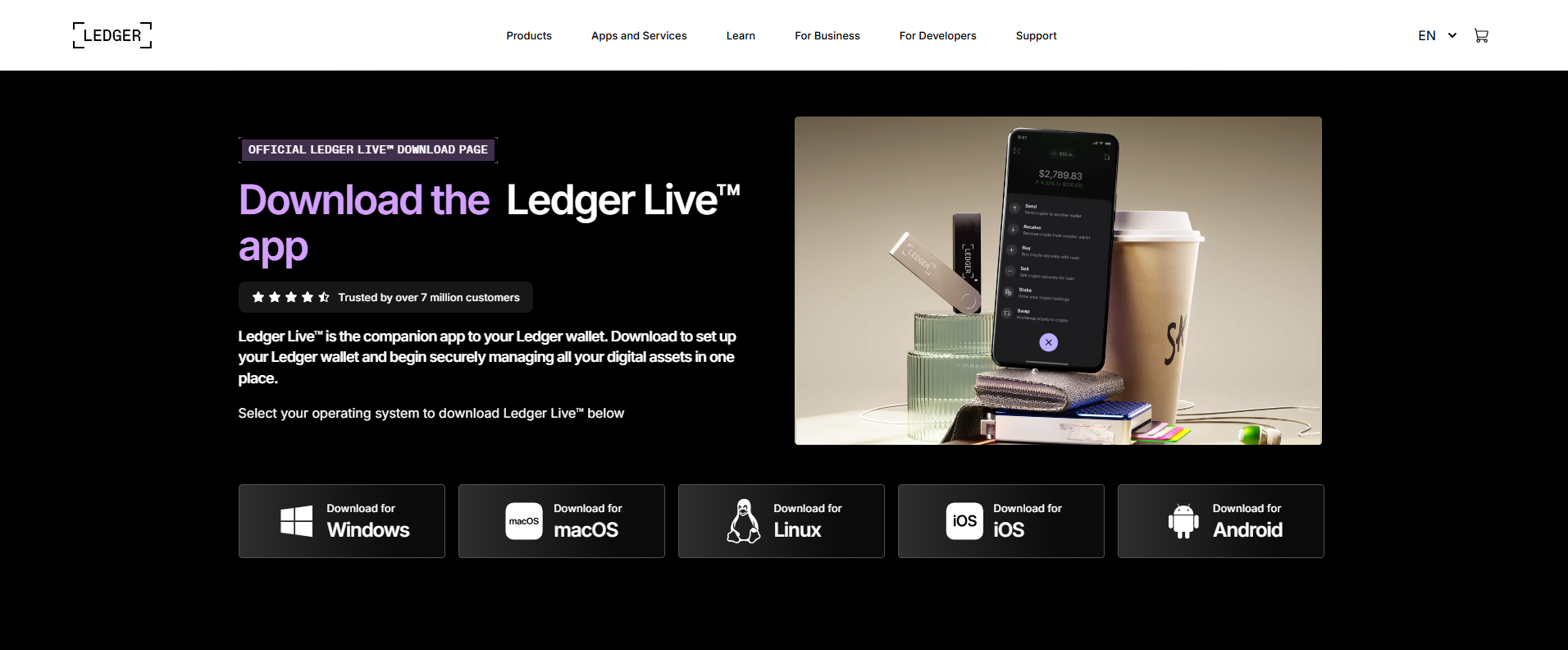
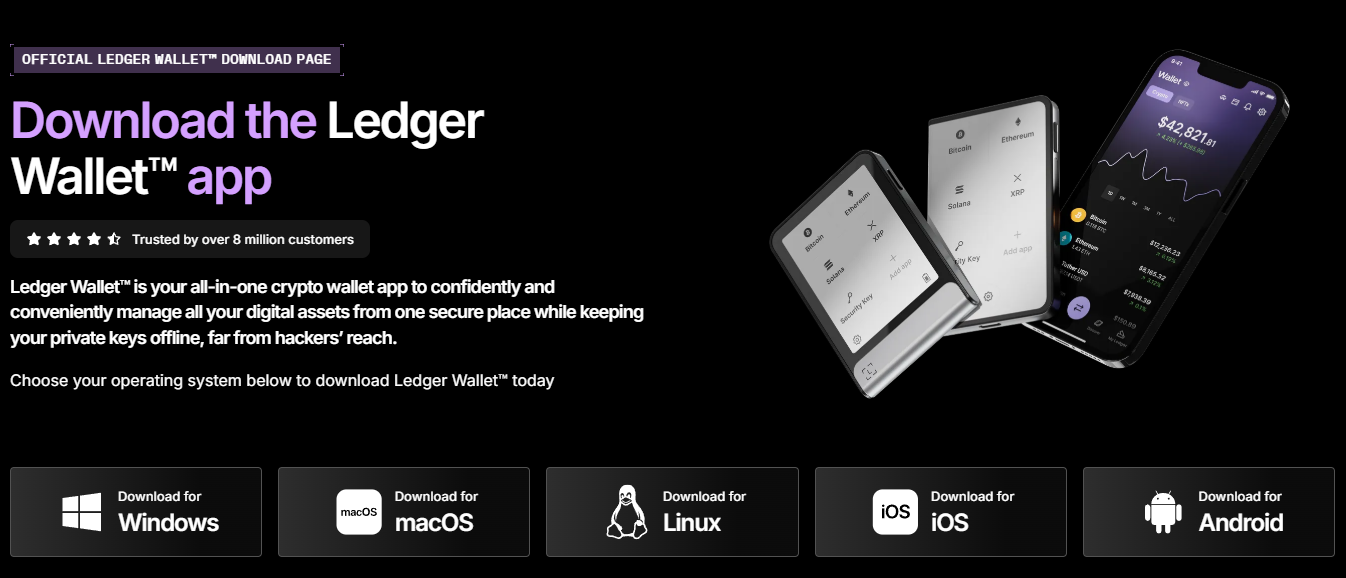
Visit Ledger.com/start and follow the current instructions for your hardware model. Ledger’s wallet software provides the interface used to interact with supported accounts and the connected hardware wallet.
Download applications only through official Ledger resources. Be cautious with search advertisements, unofficial websites, social-media posts, and messages containing software links.
After installation, open the application and follow the displayed setup instructions.
Connect and Check the Hardware
Connect your Ledger device using the recommended method. The software should guide you through recognizing and preparing the hardware wallet.
Depending on the device, firmware installation or an update may be required. Follow the instructions shown by the official software and keep the device connected during the relevant process.
When an action requires confirmation on the physical Ledger device, read the information carefully before accepting it. The hardware wallet is an important part of securely authorizing sensitive operations.
Create a New Wallet
If you are setting up a new device, choose the option to create a new wallet when presented. The setup process will guide you through generating the wallet's recovery information.
Write the recovery phrase down exactly as instructed. Store it somewhere private and secure, preferably away from internet-connected devices.
Never send your recovery phrase to another person or enter it into a website. Genuine support representatives should not ask you to reveal it.
If someone obtains your recovery phrase, they may be able to restore the wallet independently of your physical Ledger device.
Choose and Protect Your PIN
A device PIN provides protection against unauthorized use of the physical wallet. Select a PIN that is not obvious or easily associated with personal information.
Keep the PIN confidential and avoid recording it alongside your recovery phrase. Never disclose it to someone claiming that it is required for wallet verification or technical assistance.
Use the Ledger Wallet Interface
Once setup is finished, the Ledger software can be used for supported cryptocurrency-management tasks. Depending on your device, asset, region, and software version, available features may include checking balances, creating accounts, receiving cryptocurrency, preparing transfers, and reviewing transaction history.
Start with familiar functions before exploring more advanced features. When uncertain about a particular option, consult the latest official Ledger documentation.
Review Transfers Before Signing
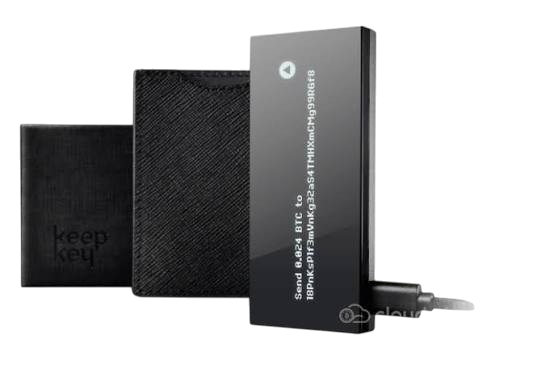
Transaction verification is an essential part of using a hardware wallet. Before approving a transfer, examine the recipient address, selected asset, network, amount, and transaction fee.
Compare the information shown by the software with the details displayed on your Ledger device. If anything looks unexpected, stop and investigate before signing.
Blockchain transactions are generally difficult or impossible to reverse after confirmation, so careful checking is worthwhile.
Recognize Suspicious Requests
Be cautious of messages claiming that your wallet needs urgent verification, synchronization, activation, or recovery. Scammers may use these stories to persuade users to reveal their recovery phrases or PINs.
Do not provide confidential wallet information through email, chat, social media, or an unfamiliar website. For support, navigate directly to official Ledger resources.
Maintain Your Wallet
Setting up the device is only the beginning. Continue to use official software and documentation when updating your Ledger device or learning about new wallet features.
Keep your recovery phrase protected throughout the life of the wallet, and periodically review your own security habits. Avoid installing unofficial applications that claim to improve or unlock wallet functionality.
Conclusion
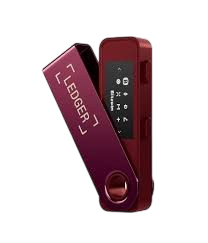
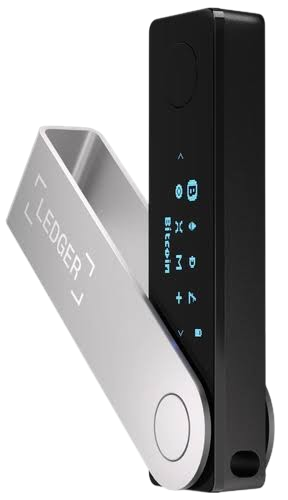
Ledger.com/start provides a structured path for users beginning their Ledger hardware-wallet setup. The process can include installing official software, connecting the device, preparing firmware, creating a wallet, securing the recovery phrase, setting a PIN, and learning how to approve transactions safely.
For a better wallet experience, take each setup step slowly and verify important information before proceeding. Protect your recovery phrase and PIN, use official Ledger resources, and review transaction details directly on the hardware device before signing. These practices provide a practical foundation for responsible cryptocurrency management.