Ledger.com/start: Your Guide to Getting Started With a Ledger Wallet
Managing digital assets begins with choosing the right tools and configuring them carefully. Ledger.com/start provides an official starting point for users who are setting up a Ledger hardware wallet. The setup journey helps users connect their device, access the appropriate Ledger software, establish wallet security, and learn the basic steps needed to manage supported cryptocurrencies.
What Is Ledger.com/start?
Ledger.com/start is an official resource intended to help users begin using Ledger hardware wallets. It provides setup guidance and directs users toward the software and information associated with their device.
The exact setup experience may differ between Ledger models. Depending on the hardware and software version, users may need to install firmware, connect their device, create or restore a wallet, set a PIN, and complete other configuration steps.
Since cryptocurrency wallets involve sensitive information, always check the website address before downloading any software. Avoid relying on links supplied by unknown individuals or unverified websites.
Things to Prepare Before Setup
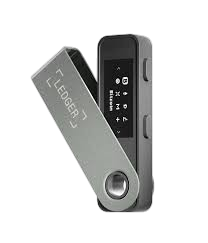
Before beginning the process, keep your Ledger device, compatible computer or mobile device, and suitable connection cable ready.
Select a private location for your setup. A quiet environment makes it easier to read instructions and reduces the possibility of someone seeing your confidential wallet information.
You should also decide where your recovery phrase will be stored. It should be kept securely and protected from unauthorized access, physical damage, and accidental loss.
Access the Correct Ledger Software
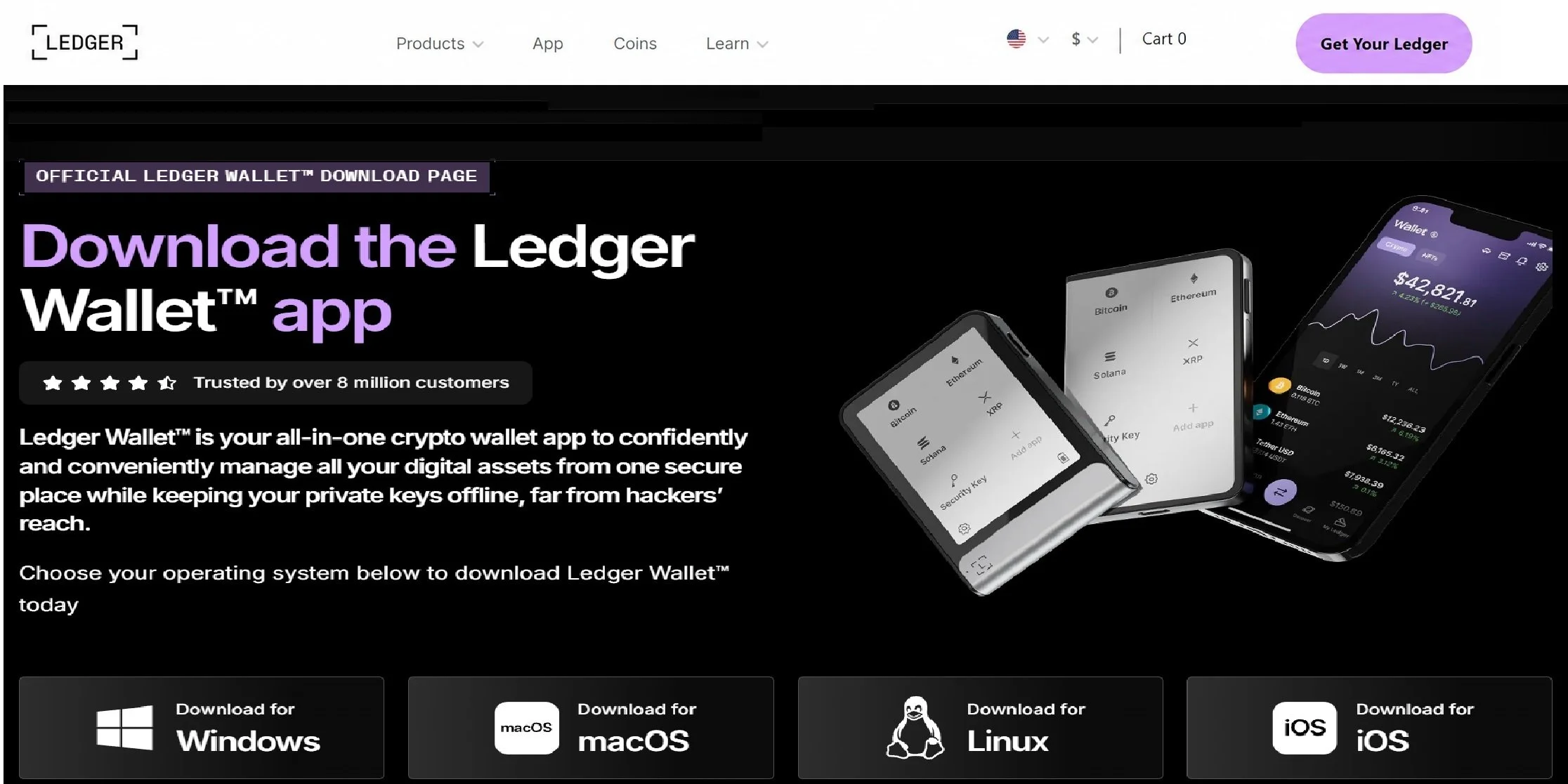
Follow the instructions provided through Ledger.com/start to obtain the appropriate official wallet software. The software serves as an interface between your Ledger hardware wallet and supported cryptocurrency accounts.
Always obtain the application from an official Ledger source. Avoid unofficial download sites, modified applications, and unexpected links sent through email or social media.
After installing the software, open it and follow the setup instructions for your particular Ledger device.
Connect Your Hardware Wallet
Connect the Ledger device using the recommended connection method. The wallet application can then guide you through device recognition and configuration.
A new device may require a firmware installation or update. Read each instruction carefully and allow the process to finish as directed.
Your physical Ledger device may display information that needs to be confirmed. Carefully inspect these messages before approving an action.
Create Your Wallet
If you are using a new Ledger device, follow the instructions for creating a wallet. During this process, the hardware wallet generates the recovery information required for restoring the wallet in the future.
Write down the recovery phrase exactly as instructed. Keep it offline and in a secure location.
Never share this phrase with another person. Do not enter it into websites, online forms, chat windows, emails, or applications that ask for it unexpectedly. Your recovery phrase should remain under your direct control.
Protect the Recovery Phrase
Your recovery phrase is different from an ordinary account password. It can potentially restore access to the associated wallet, so protecting it is essential.
Do not store the phrase as a screenshot or upload it to cloud storage. Be cautious about anyone who claims to need it for verification, synchronization, troubleshooting, or account activation.
If you receive a request for your recovery phrase, stop and verify the request through official Ledger resources.
Set a Device PIN
During setup, you may be asked to create a PIN for your hardware wallet. Choose a combination that is difficult for others to predict.
Keep the PIN confidential and do not allow other people to watch you enter it. A legitimate support representative should not need your private PIN.
Manage Cryptocurrency After Setup
After configuration, Ledger’s software can provide access to supported cryptocurrency-management functions. Depending on the current software, device, asset, and region, users may be able to view balances, create accounts, receive digital assets, prepare transfers, and review transaction activity.
New users can begin with simple account-management tasks before exploring additional functionality.
Verify Before Approving Transactions
Before signing a transaction, carefully examine the information shown on the Ledger hardware wallet. Check the destination address, asset, network, amount, and applicable transaction costs.
The information displayed on the physical device deserves particular attention because it is the final confirmation point before signing. If the details do not match your intended transaction, do not approve it.
Stay Safe From Wallet Scams
Cryptocurrency scams often use urgent messages or fake support accounts to pressure users into revealing confidential information. Be suspicious of anyone asking for your recovery phrase, PIN, or remote access to your computer.
Instead of following an unsolicited support link, navigate directly to official Ledger resources when you need assistance.
Keep Your Ledger Setup Current
After completing the initial configuration, use official Ledger channels for software and firmware updates. Keeping your wallet environment current can help maintain compatibility with supported features.
Do not install unofficial wallet applications simply because they promise special rewards, faster transactions, or additional account access.
Final Thoughts
Ledger.com/start provides an organized way to begin setting up a Ledger hardware wallet. The process introduces users to essential steps such as connecting the device, installing official software, creating a wallet, protecting the recovery phrase, setting a PIN, and reviewing transactions.